

You can trust Cyclingnews
Our experts spend countless hours testing cycling tech and will always share honest, unbiased advice to help you choose. Find out more about how we test.
The Specialized Aethos needs very little introduction. The old one is a bike I’ve lusted after for years, with its sleek, narrow tubes, sensible-ish cable routing, and a big two fingers up to the UCI weight limit, along with an aero package that’s, at best, a casual Californian shrug. It was a staple of the hill climb scene, a rider’s bike, and while I never got the chance to ride one, it has such a reputation that it’s a hell of an act to follow.
I must admit I was a little disheartened when I learned of the changes that had been wrought on the Aethos 2. The term ‘endurance’ is so loaded with connotations of retired men doing laps of Richmond Park (insert your local retirement ride scene here) that I was worried that riding it would be akin to throwing a leg over a shire horse and asking it to navigate a chicane with the agility of a dragonfly.
I am pleased to report that after smashing about on it for several weeks, taking in fast group rides, flat miles, and hilly solo loops, it’s still every bit the proper lightweight road bike. I understand what Specialized has done in terms of the geometry tweaks, and while I think it’s made it a less cool bike, it’s also going to be a more viable bike for more customers. Is it good enough to match the old one and make it into our best road bikes guide? Read on and I’ll tell you.
Image 1 of 5
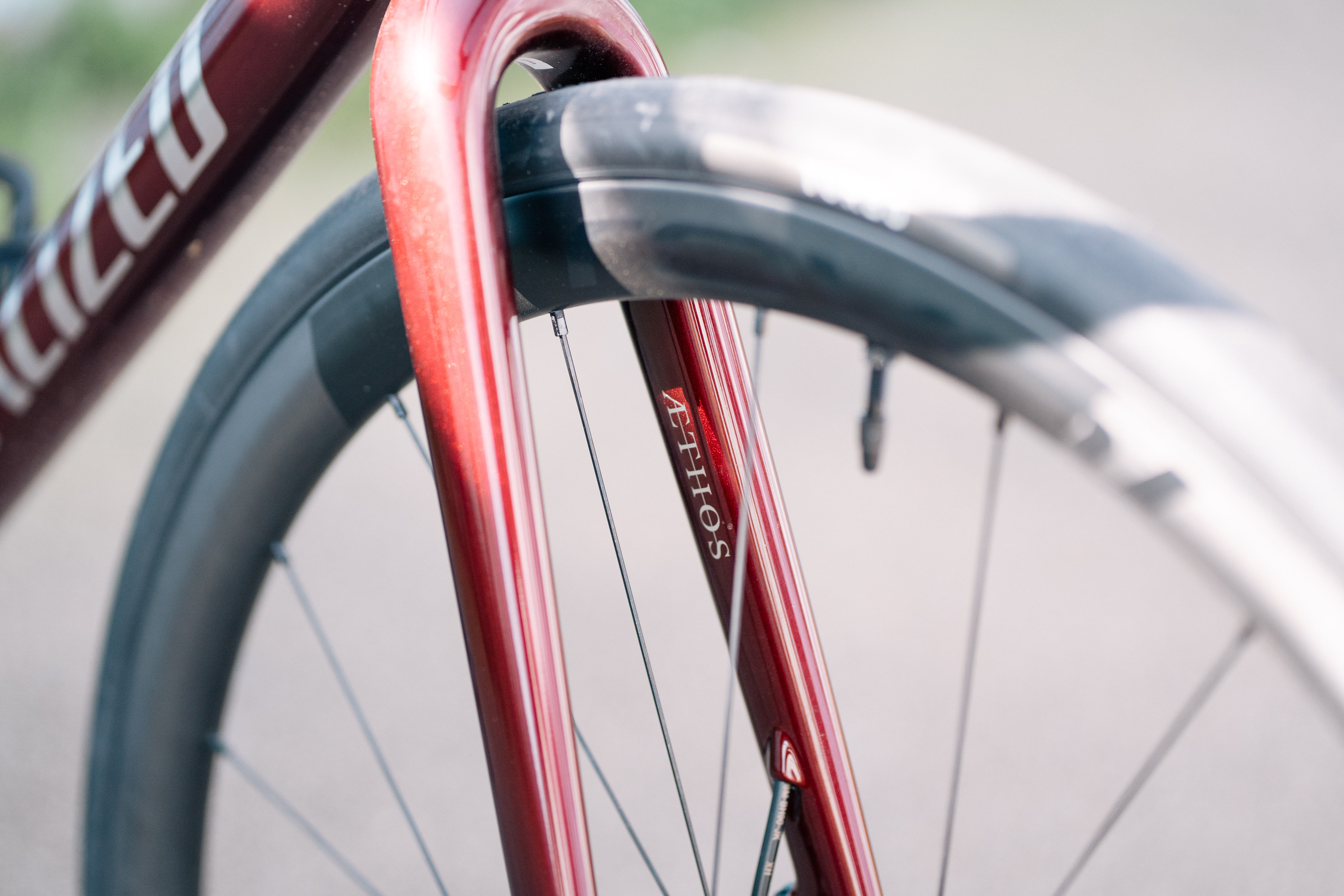
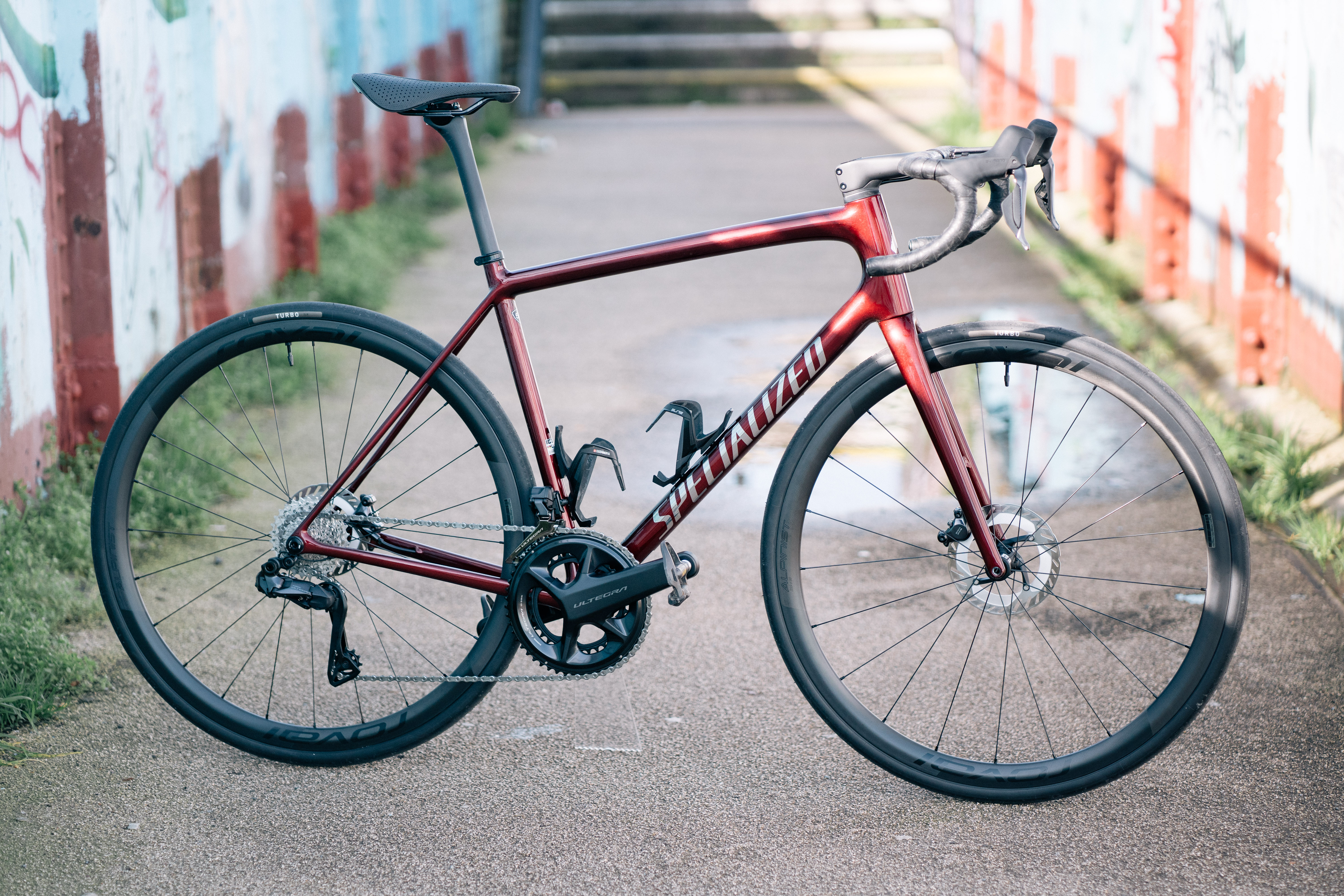
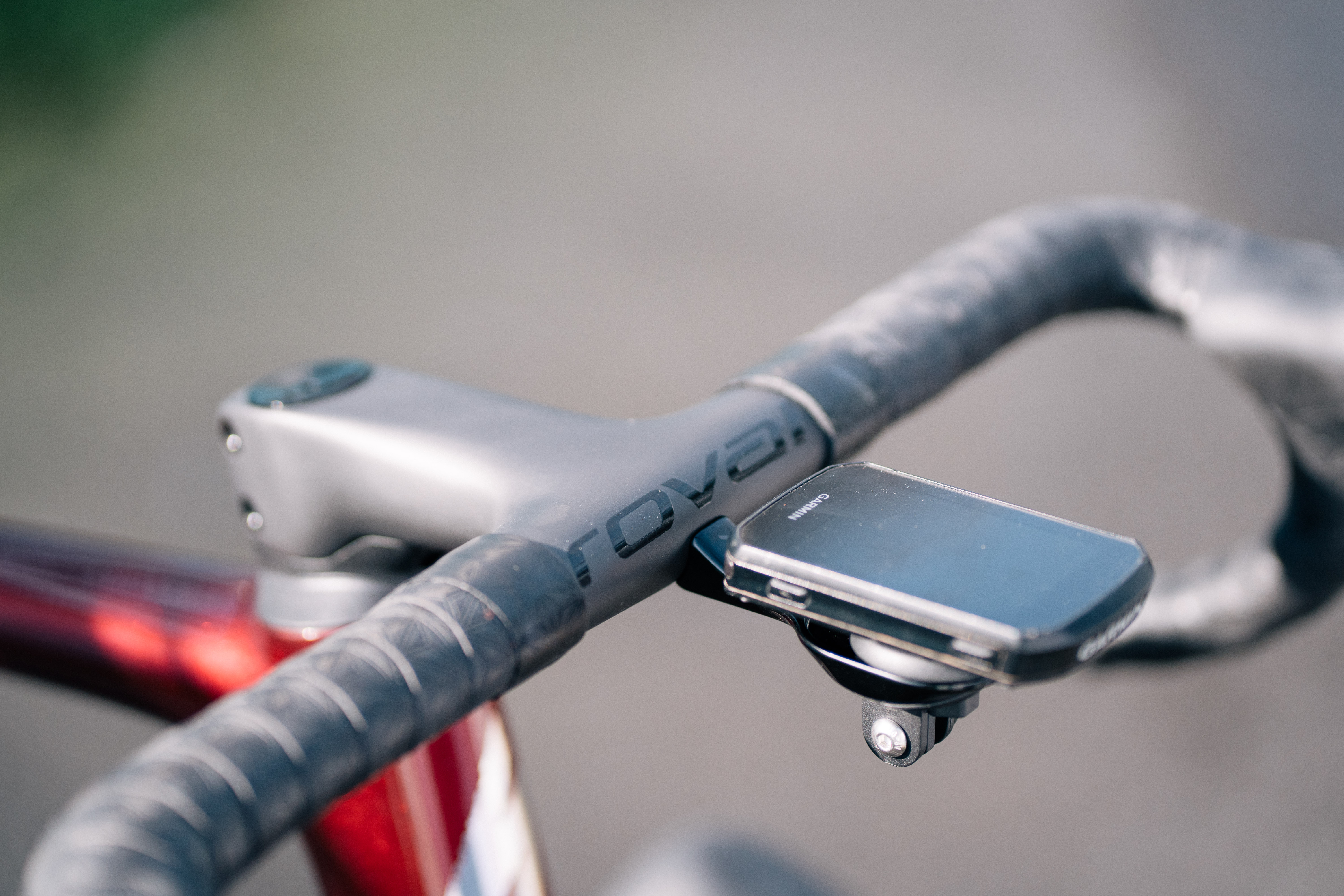
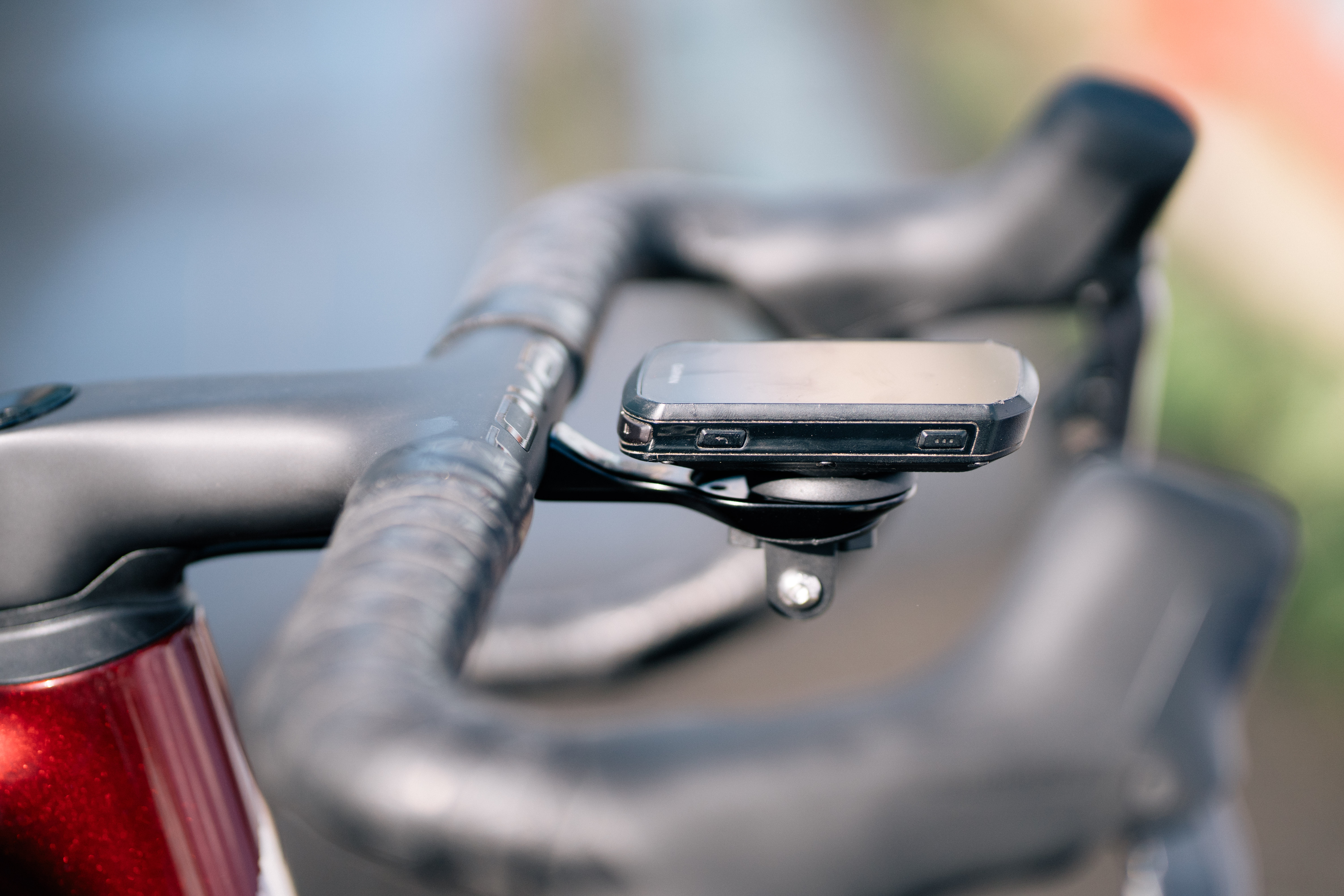
Design and aesthetics
Context is important to understand the new Aethos. The first-generation bike was superlight, had the geometry of the Tarmac, but none of the racing foibles. External cables at the cockpit, round tubes, and a focus on handling. Roll on a few years, and the Tarmac SL8 replaced the SL7, and it was basically as light as the Aethos with the same geometry and a far superior aero package, leaving it floundering as…
Click Here to Read the Full Original Article at CyclingNews RSS Feed…