

In the same way that phones, watches, microwaves and fridges have all become smart and communicate with you, we have now hit the point where the best bike lights have gained somewhat of a technological sentience and become ‘smart’ lights.
With the advent of these smart lights, there actually comes a lot of highly useful features that have won me over from my love of more analog technologies such as mechanical shifting and rim brakes. So just what do these smart lights do that makes them so great?
Bike and groupset computer integration
This is something that is becoming more common and assists in allowing some of the future section to work fluidly. Some lights will now connect with the best bike computers or smart phones so that you can control the lights from there, without having to remove your hands from the bars or mess around looking at your rear light while moving.
The Magicshine Evo 1700 SD goes one further and pairs directly with Shimano Di2 groupsets allow you to control the light using the bonus buttons on your shifter hoods. This is
Remote control
Many modern smart bike lights come with small remotes that you can connect to your bars near your shifters to allow you to control them without taking your hands off the bars. With more and more of us after a really neat bike light setup, with the light slung under a bike computer, this is increasingly useful, as fiddling around trying to find the light buttons under your bars is tricky at best, and dangerous at worst.
Motion sensors
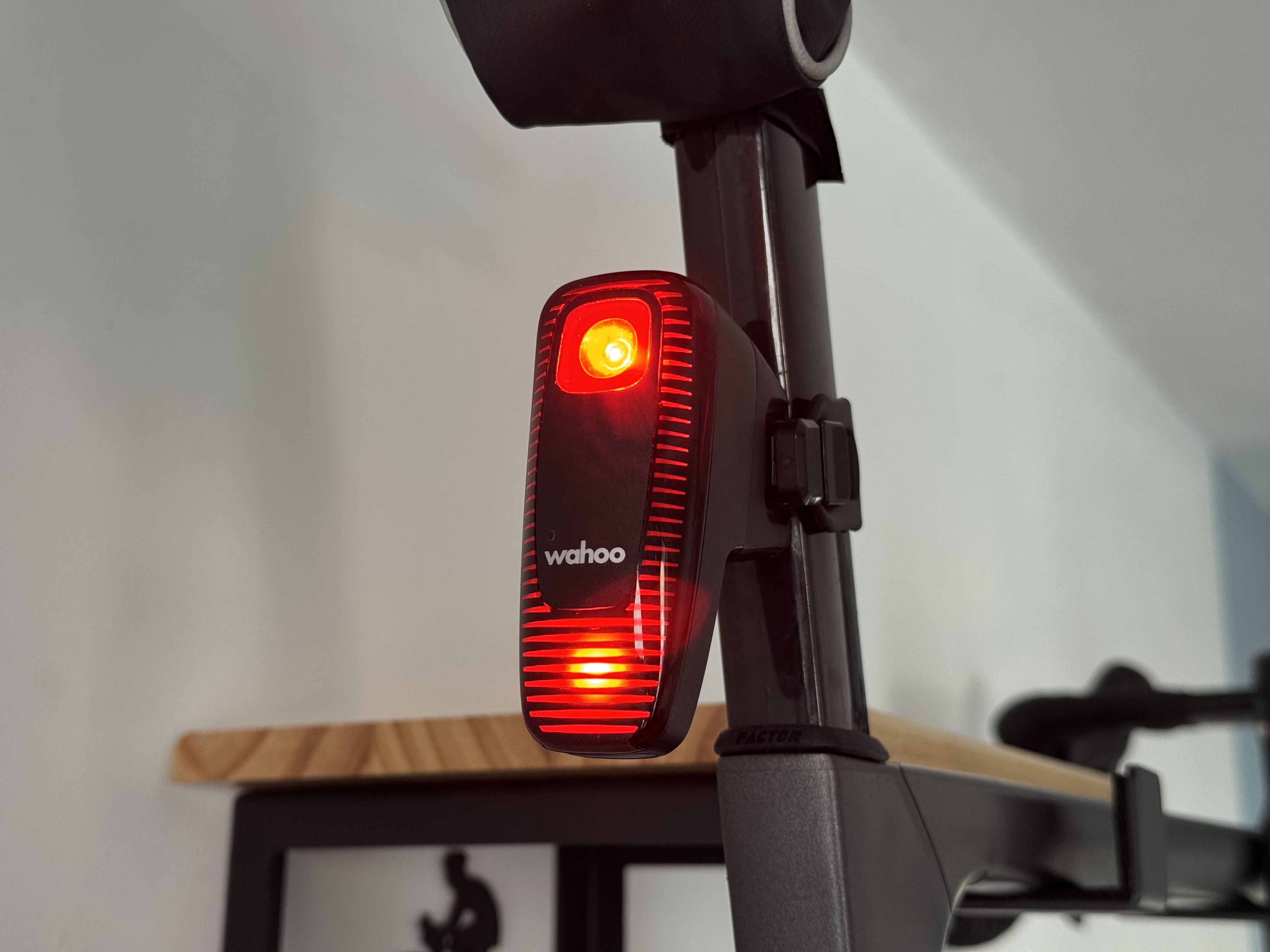
A new feature on some smart lights such as the Wahoo Trackr Radar and Trek Ion and Flare lights is that once they are connected to your bike computer, they detect when you are setting off for a ride and will turn on automatically. A useful one if, like me, you set off only to realise you have forgotten to turn your lights on. They also often default to the last used setting so no more cycling through every flash and beam pattern to find your desired one.
Ambient light sensor
Given that many bike lights have a lot of different modes for different conditions, you might be riding at dawn or dusk and find you have to change mode several times in a ride to get the optimum…
Click Here to Read the Full Original Article at CyclingNews RSS Feed…