
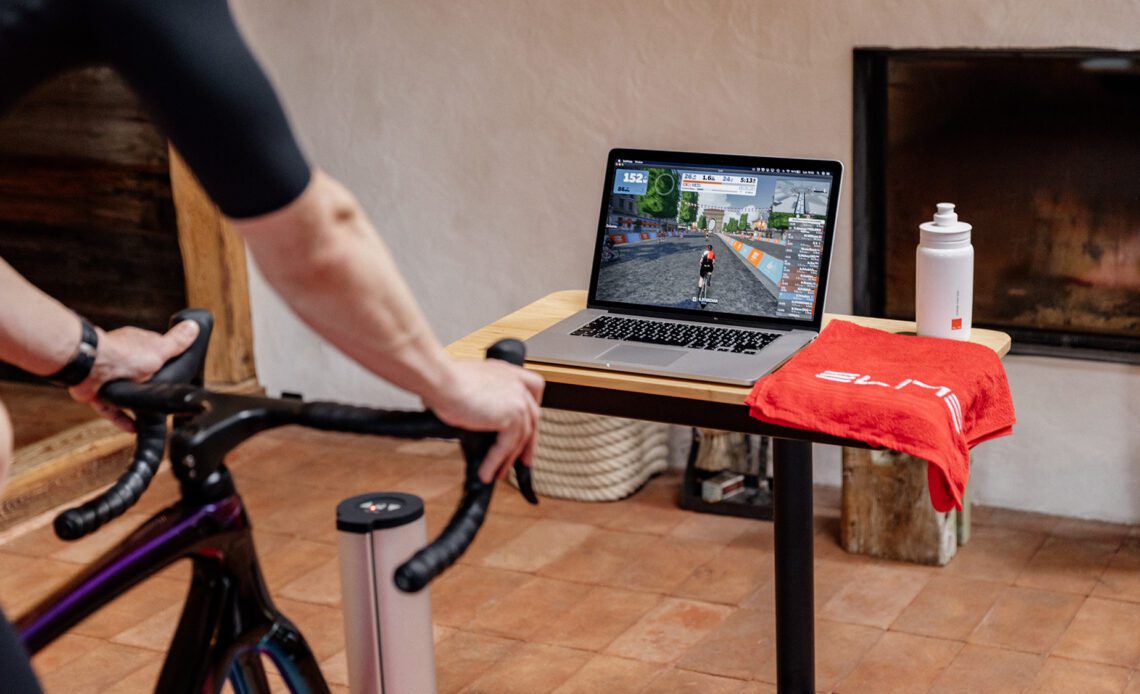
Indoor riding is more than just a winter necessity these days; it’s an opportunity to fit in a structured training session in under-controlled conditions, even if the weather is bad or time is tight.
However, no matter how much technology you throw at it, the demands of indoor training remain different to the outdoor riding world. Fuelling is perhaps one of the biggest parts of this. Interval sessions can burn more calories than you expect indoors, increased perspiration can leave you dehydrated, and all of these things can decrease the quality of your training.
Carb up before you train
The goal before you clip in is pleasantly ordinary. Top up glycogen, arrive hydrated, and keep your stomach calm. If you have two to four hours before your session, aim for 1-4 grams of carbohydrate per kilogram across that window. Don’t, however, be too rigid – we all metabolise food differently, so bear that in mind. Before you go all out on the turbo, it can be worth keeping fibre and fat intake modest too, to aid digestion. A rice bowl with a lean protein works well, or porridge with honey and yoghurt, for example.
Being short on time isn’t necessarily a problem either. If you don’t have long before you train, something quicker, like a banana or gel, followed by more on-bike carbs, will help to get you through the last intervals too.
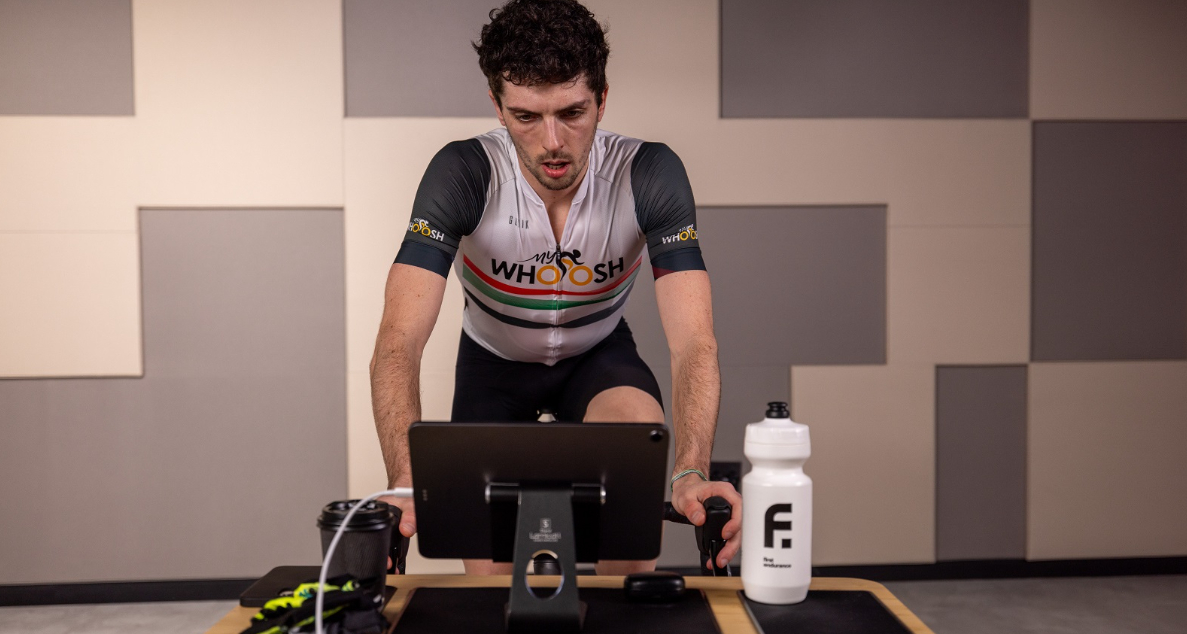
Next up, there’s the main player in the perspiration-filled room, hydration – and this is best started before the session itself. We recommend drinking around 500-750ml of water or electrolyte in the 2-hour window before you train if you can. That way, you end up drinking what you need for the session when you’re on the bike; this prevents you from firefighting later when your mouth is dry post-session.
If you are someone who tends to ride early, it can be beneficial to keep food and water intake lighter. However, this may well affect…
Click Here to Read the Full Original Article at CyclingNews RSS Feed…