
There are very few opportunities to ride a wildly new set of wheels. Since the advent of carbon rims, it’s been relatively staid, other than mountain biking messing around with slightly different wheel sizes. In moving away from metal spokes, Berd Spokes are offering one of the few real changes in construction in a while. Vancouver Island’s NOBL wheels are pushing to be early experts on the new design.
We’ve spent a year on NOBL’s HR35/45 rims, laced up with Berd spokes, to get familiar with this new technology and find out if it has some real-world mettle to go along with the high-profile medals it’s quickly racing up on the world stage.
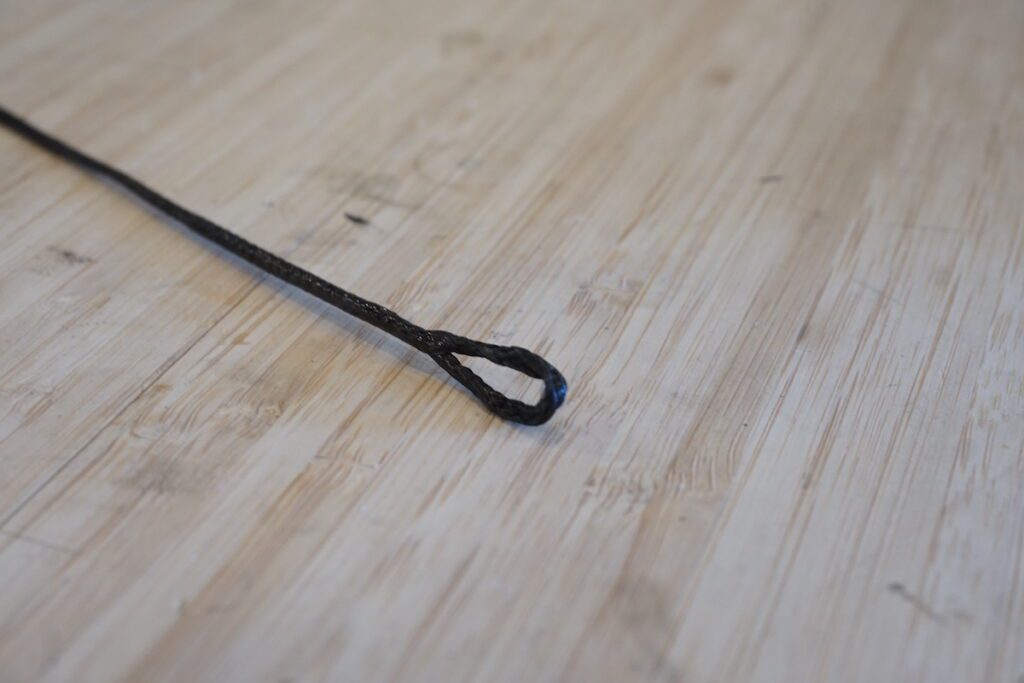
Looped at the other end, Berd will work with most hubs though some modification is required.
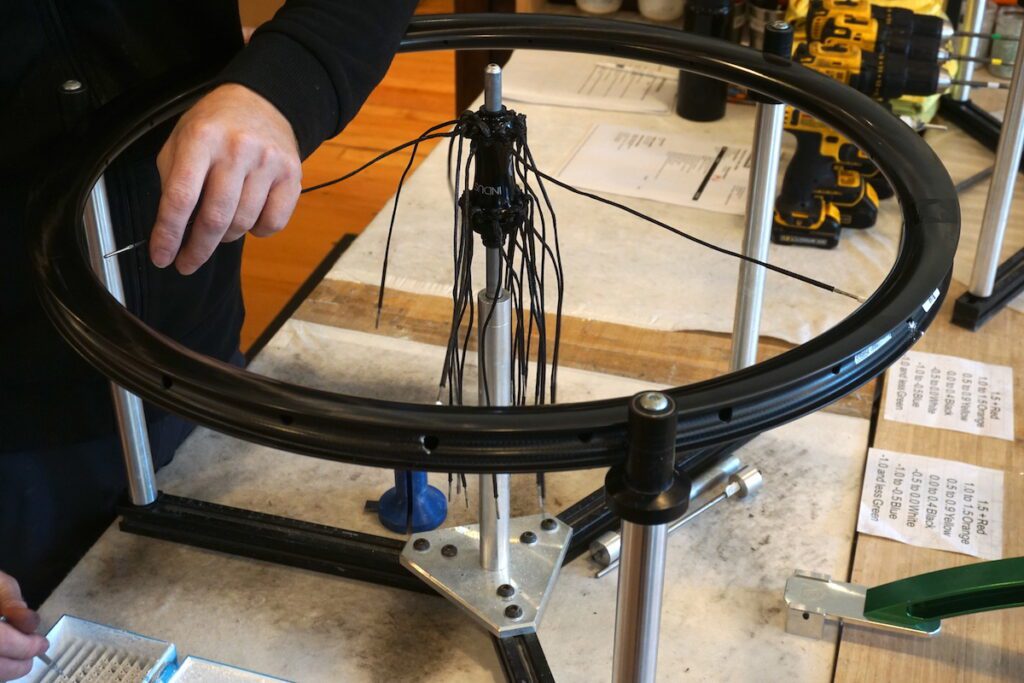
It’s wild looking at a spaghetti mess of spokes turn into a normal looking wheel
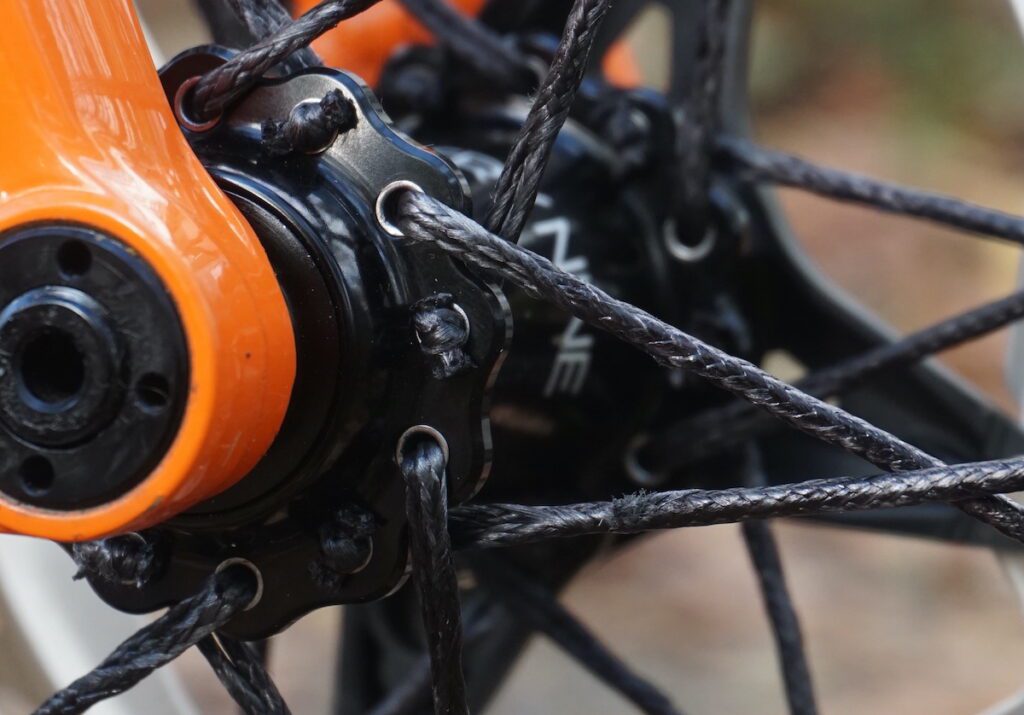
Details, like the loop-and-anchor at the hub, still set a Berd wheel apart
Berd of Paradise
Instead of alloy spokes, Berd uses a woven polymer fibre that, in appearance, resembles a rope. But, once tensioned, promise 12 times the strength-to-weight of steel. That makes each spoke incredibly light (just 2.5g each) and makes for a significantly lighter wheelset.
Visiting NOBL’s Cumberland, B.C. headqurters to watch the wheels get built, it was wild seeing what looked like a knot of loose Dyneema string turn into a wheel. The novelty of a flexible spoke aside, though, Berd offers real performance benefits beyond just weight. They’re light, yes, but they help dampen noise and vibrations coming up from the ground. And they are surprisingly tough.
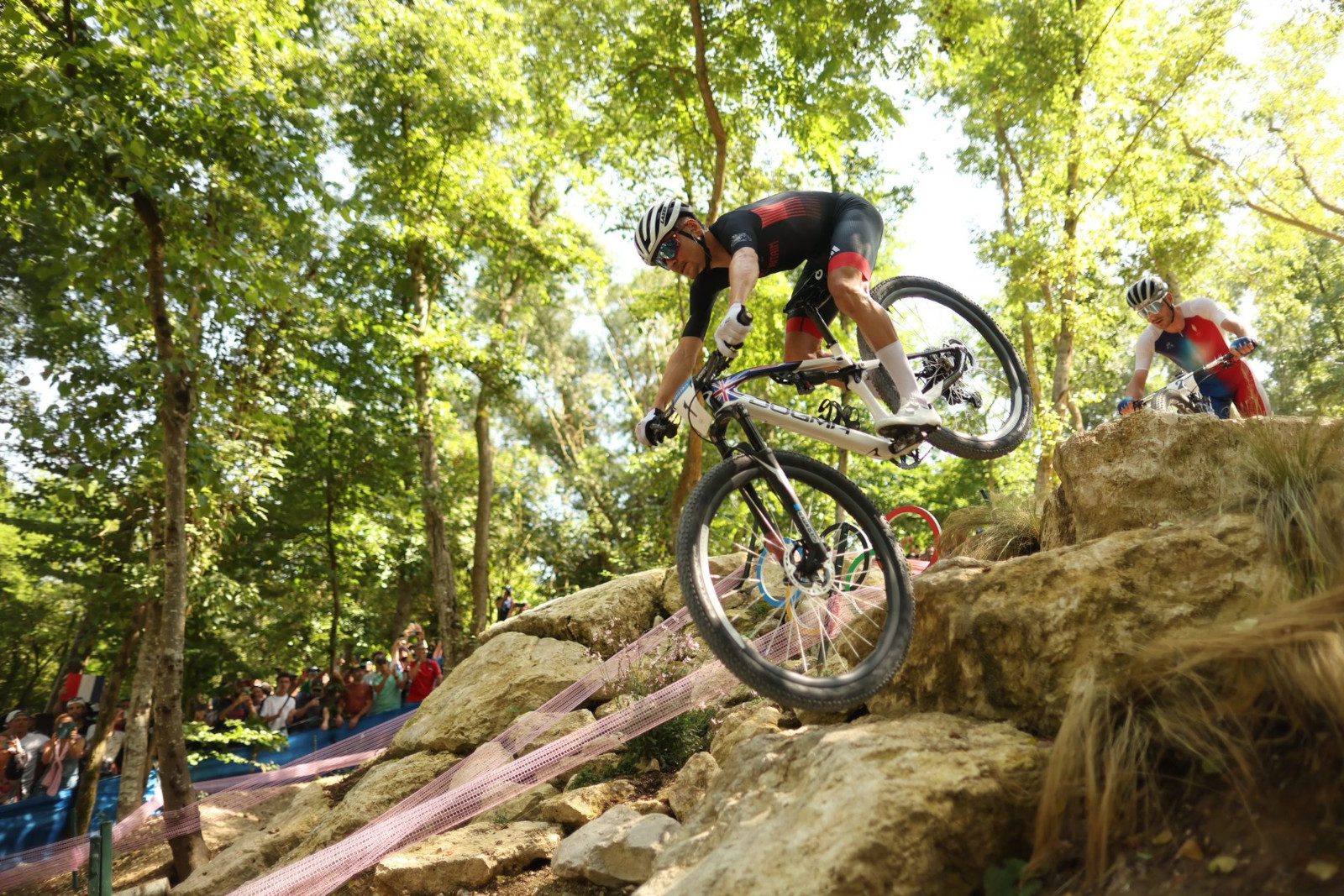
These performance attributes have won Berd some extremely high-profile early converts. The most prominent early adopters of Berd Spokes come from the world of mountain biking. Tom Pidcock and Pauline Ferrand-Prevot won matching Olympic gold medals in Paris last year, launching the polymer spokes from the fringes of mountain bike development into the spotlight. It doesn’t get much more high profile than that. But adding Alan Hatherly winning world championships and an Olympic medal on the polymer spokes in the same year (giving Berd rainbows and an astounding 50 per cent share of the combined…
Click Here to Read the Full Original Article at Canadian Cycling Magazine…