

With the seventh generation of Fuel, Trek is asking a lot. The Wisconsin brand is presenting the Fuel as of a platform of not one bike, but three. Or more. Or a few less. There was a lot to process when the bike was released, to be honest. But, after almost half a year on two of those bikes, a Fuel EX and a Fuel LX, the picture is a lot clearer, and simpler than it seemed at first.
The basic question is this: can Trek use one frame for three different bikes and have all three be very good bikes? We really enjoyed the last Fuel EX (Gen 6 in Trek’s new nomenclature) for the capable trail bike that it was. The Gen 7 Fuels all retain the core of what made that bike so good while, especially with the LX, asking quite a bit more of it.
If you’re specifically interested in the Fuel LX, the most different of the new Fuels, we’ve got a standalone review of that bike, too.
Gimmie Fuel, Gimmie fire, Gimmie that which I desire (One frame, many bikes)
If Trek’s decision to release three (or more, or less) Fuel models at the same time seemed unnecessarily complicated, it might help to understand why the usually conservative Wisconsin brand chose this route. From our conversation with Trek, the platform reflects how they were already seeing riders make changes to the last generation of Fuel EX. That is, over forking, mulleting and overs-hocking their Fuel EX’s to get more travel or mixed wheels. So, instead of forcing riders to make those changes themselves, or releasing a bunch more different frames in micro-niches, Trek decided to make one frame that could do it all, then enable its riders to choose the bike they want out of the box.
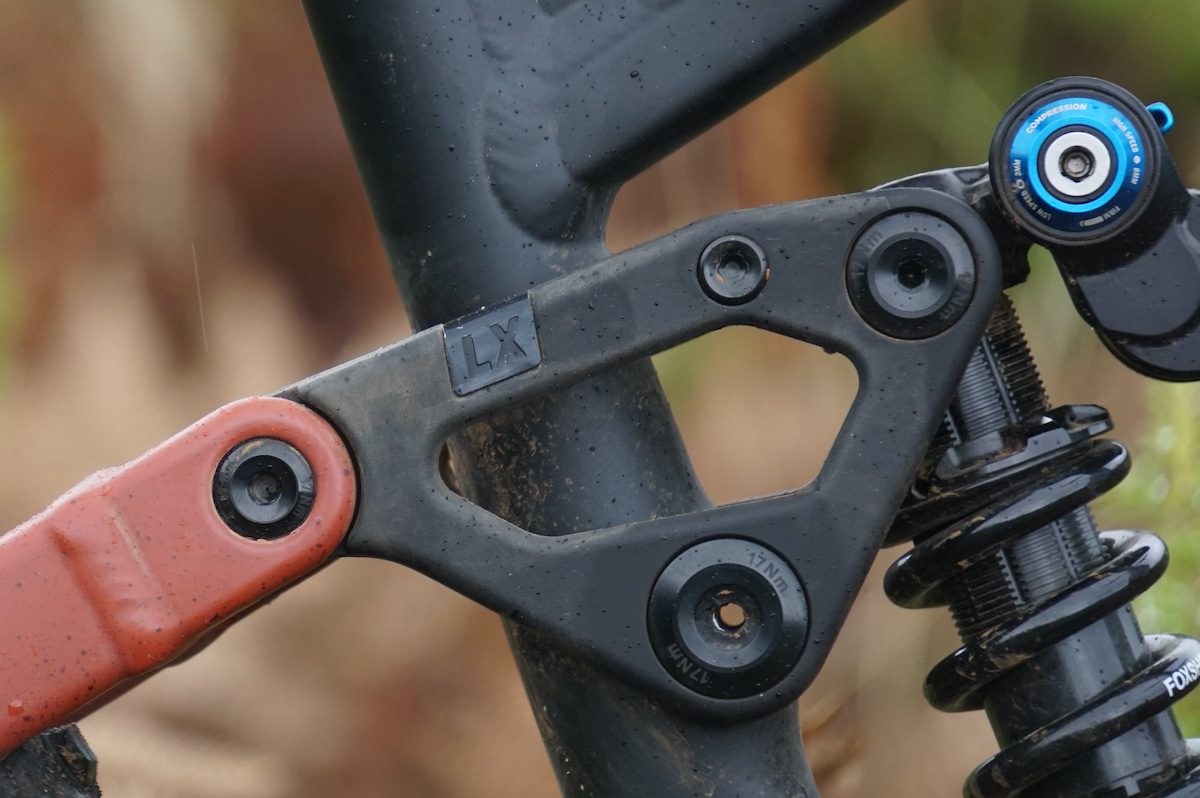
When getting into the weeds looks better than the surface
Sometimes diving deep down into the details can scrub away some of the marketing shine with a new bike release. With the Fuel platform, its kind of the opposite. The deeper you get into the weeds, the better the platform concept works.
In Trek’s initial presentation, switching between Fuel EX, Fuel MX and Fuel LX required quite a bit of commitment. To move between those three official versions of the Fuel required a new rocker link and mount and, at minimum, a new damper in the fork. At most, it required the frame adapters and a whole new fork and shock. Which is, to understate it, quite an investment.
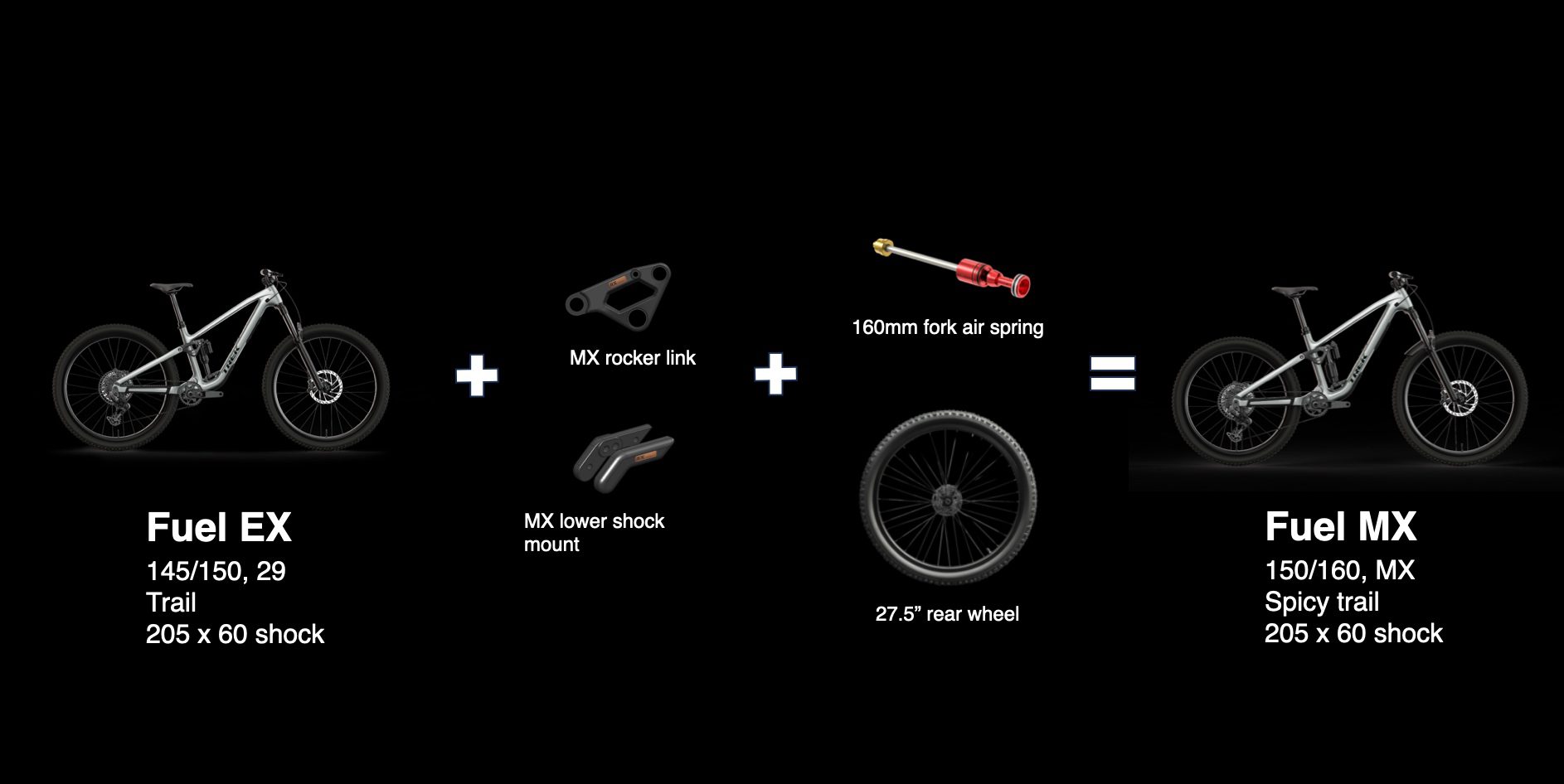
But, and this…
Click Here to Read the Full Original Article at Canadian Cycling Magazine…