
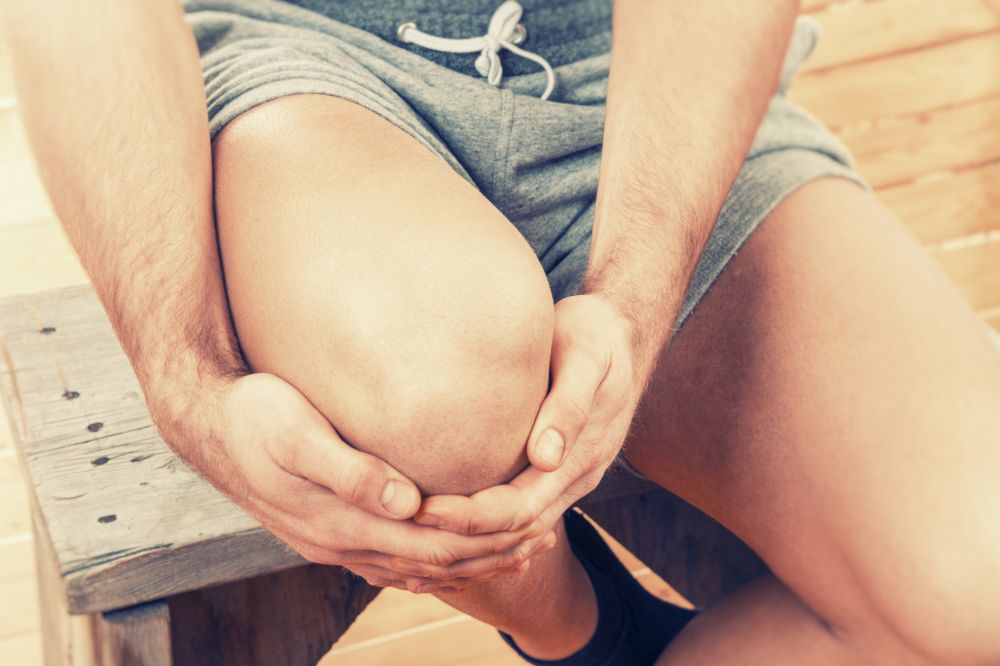
The knee is a complex joint, but pain from cycling is rarely due to an issue within the knee itself. Often, problems in the muscles or ligaments extending from your hip to your foot can trigger knee pain. The first step in addressing knee pain is to identify its cause.
Pain in the front of the knee
Anterior knee pain, around the patella, is frequently caused by issues with saddle height or position. When your saddle is too low, the angle at the top of the pedal stroke may be too tight, straining the tendons behind the kneecap. Similarly, crank arms that are too long can contribute to this discomfort. If you’re experiencing pain in the front of your knee, check if your saddle needs adjustment, but avoid making drastic changes that could affect other muscles or tendons.
Saddle position may also be a factor. If your saddle is too far forward, your knee might be under strain during the pedal stroke. A common method for setting the fore-aft saddle position is to align the front of your knee with the pedal spindle when your foot is at the 3 o’clock position. While this guideline is helpful, it doesn’t account for individual differences in body type and flexibility.
Other possible causes of front knee pain include using a gear that’s too big, particularly when climbing or sprinting, or tight quads or IT bands. Overly tight cleats can also place excessive strain on your knees when unclipping.
Pain in the back of the knee
Pain at the back of the knee, though less common, can also be problematic. It may result from a saddle being too high or too far back, causing overextension of the knee during the pedal stroke. Tight hamstrings can also contribute to pain in this area, as they wrap around the back of the knee.
Pain on the outside of the knee
Pain on the outer side of the knee is often related to cleat position. Ensure your cleats are properly aligned and make gradual adjustments if you experience knee pain. Cleats with more float can allow for more foot movement and reduce strain. Additionally, tight iliotibial (IT) bands can cause sharp pain on the knee’s exterior. Rolling, massaging, and icing the IT band can help alleviate inflammation.
Pain on the inside of the knee
Similar to outer knee pain, inner knee pain can be linked to cleat position. Your legs should ideally track straight during the pedal stroke. Misalignment can be affected by the Q-factor—the lateral distance between your feet—which can be adjusted by changing cleat positions or…
Click Here to Read the Full Original Article at Canadian Cycling Magazine…